
A Global Network.
IAWM is a global network of women’s and gender museums, initiatives and cultural practitioners committed to visibility, equality and change. We connect people and institutions that challenge dominant narratives and create space for feminist knowledge and memory.

The First International Meeting of Women’s Museums held in Merano in 2008
-
We connect women’s and gender museums worldwide as spaces of resistance, knowledge, solidarity, and transformation. Our work amplifies feminist perspectives and supports collaboration across cultures, regions, and disciplines.
-
We envision a world in which women’s and gender museums exist everywhere not at the margins, but at the center of cultural life.
A world in which women’s histories, experiences, and knowledge are no longer silenced, overlooked, or fragmented, but fully recognized as essential to how we understand the past, shape the present, and imagine the future.
In this world, women’s and gender museums are more than institutions. They are spaces of resistance and imagination, places where dominant narratives are questioned, where new stories emerge, and where more just, inclusive, and democratic societies take shape.
-
Women’s museums emerged independently across the world as responses to exclusion from traditional museum narratives. Over time, these initiatives formed an international movement. A key milestone was the first International Congress of Women’s Museums in 2008 in Merano (Italy), followed by the founding of the International Association of Women’s Museums in Alice Springs (Australia) in 2012.
Since then, the network has continued to grow and evolve. International conferences are held at least every four years, strengthening exchange and collaboration across regions. So far, they have taken place also in Bonn <Germany), Buenos Aires (Argentina), Mexico City (Mexico), Hittisau (Austria, 2021), and Merano (Italy, 2025). In addition, a European IAWM Conference was held in Istanbul (Turkey) in 2016.
In 2025, gender museums were formally integrated into the association, reflecting a broader and more inclusive understanding of gender perspectives in museum practice.
-
Statutes of The International Association of Women’s and Gender Museums, Merano 2025
Preamble
All members and representatives of the association are expected to uphold the principles of human rights, gender equity, mutual respect, and constructive engagement. Actions contrary to these principles are subject to review by the Executive Board. We understand “woman” as both a biological and socially constructed category, shaped by ongoing discourse. The association is committed to exploring gender identities, challenging rigid norms, promoting inclusion, and opposing to gender-based violence as well as structural discrimination.
1. Name, Registered Seat
1.1. The name of the Association is "The International Association of Women’s and Gender Museums" (hereinafter referred to as IAWM).
1.2. Registered Seat
The current domicile of IAWM is Merano (BZ), Italy. In the event of a change of the executive coordinator (management), the registered seat may be moved to another domicile on the basis of the authorization resolved by the resolution of the Assembly. The fiscal year applies to the calendar year.
2. Non-profit Status, Purpose and Tasks of the Association
2.1. The International Association of Women’s and Gender Museums IAWM shall pursue directly and exclusively non-profit objectives. IAWM is autonomous, non-denominational, non-partisan.
2.2. Goals and Objectives of IAWM:
2.2.1 To promote culture, arts, education and training from a gender perspective.
2.2.2 To foster exchange, networking, mutual support and global cooperation among Women’s and Gender Museums.
2.2.3 To conduct research and the development of projects, exhibitions, new initiatives, community activities, seminars and conferences.
2.2.4 To promote and strengthen the acceptance of Women’s and Gender Museums worldwide.
2.2.5 To achieve international recognition in the world of museums.
2.2.6 To advocate for women’s rights and a gender democratic society.
2.3. IAWM is unselfishly active; its primary function is not to pursue its own economic purposes.
2.4. The funds of IAWM shall be used exclusively according to IAWM’s purpose.
2.5. No person shall benefit from the allocation of expenditures which are contrary to the statutes of IAWM or from unreasonably high remuneration. The reimbursement of direct expenses is determined within the limits set by the Board.
3. Membership
Admission to Membership
3.1. Juridical and natural persons are eligible for IAWM. All conditions required for obtaining membership have to be fulfilled.
3.2. Requirements for membership are as follows: to fill in the membership form (to be submitted on the webpage or sent by e-mail or postal mail), agree to the statutes of IAWM and send it by e-mail or postal mail to the Executive Board. The Executive Board may request further documents.
3.3. The following memberships are possible:
3.3.1 Full membership with 1 vote
3.3.1.1. Physical museums
3.3.1.2. Virtual museums
3.3.2 Affiliated Memberships with no voting right
3.3.2.1. Women’s or Gender museum initiatives
3.3.2.2. Women’s or Gender oriented organizations
3.3.2.3. Individual members3.4. The Board shall decide on the request.
Rights of the Members
3.5. All Members have the right to participate in the General Assembly.
3.6. Only Full Members are entitled to vote in the General Assembly.
3.7. All other members are eligible for consultation and to have an advisory voice.
Duties of the Members
3.8. The members shall respect the statutes of IAWM and shall do their utmost to promote the association.
3.9. The members shall observe the statutes and organs of IAWM.
3.10. The members shall pay the membership fees punctually in the amount as determined.
Termination of Membership
3.11. Membership shall be terminated by voluntary resignation, death or following the exclusion of a member; and in case of juridical persons with juridical persons on loss of the juridical personality.
3.12. Voluntary termination takes place at the end of the year. The Executive Board must be notified of the termination of membership in a written form. The Executive Board may agree upon immediate termination only in exceptional circumstances.
3.13. Membership may be cancelled by the Executive Board if, despite a reminder, the payment of the membership fee is overdue.
3.14. The Executive Board may expel a member temporarily due to gross negligence of other member duties. The temporary expulsion shall be confirmed or abrogated during the next General Assembly. The Executive Board defines the term gross negligence within the context of the association’s internal responsibilities and obligations. This definition is published in the appendix and serves as the basis for addressing serious breaches of duty. It is directly linked to the association’s conflict resolution process.
3.15. In case of disagreements or conflicts within the association, a transparent and fair process shall be followed. Concerns must be submitted in writing to the Executive Board. The Board will first try to resolve the issue informally. If no agreement is reached, a mediation process may be initiated.
The Executive Board may define further steps and procedures to ensure respectful and constructive conflict resolution.
3.16. An appendix is added to the statutes which contains key internal procedures and reference documents. It includes, among others, the Merano Resolution, the protocol for the formation of election committees, guidelines for the voting process, guidelines for the selection of co-opted members, an outline of the role of affiliated members in consultations, and the process for decision-making via email.
The appendix is considered an official part of the statutes and is maintained and updated by the Executive Board as needed. Changes to the appendix will be make visible to members on the website.
4. Organs of the Association
4.1. Organs of the Association are the General Assembly and the Executive Board.
5. General Assembly
5.1. The Ordinary General Assembly meeting will take place every four years. Where necessary, meetings of IAWM members may be held every two years on the respective regions. These bi-annual meetings are not engaging the IAWM Association, their purpose is only to enable members to meet, network and / or develop joint projects. Important decisions of the General Assembly can be made exceptionally by email.
It requires a response-email of a two-thirds majority for the delivery to be valid.
Such decisions have to be printed, signed by the Chairwoman (see Article 5.9.) and filed.5.2. To the ordinary as well as to the extraordinary General Assemblies all members must be invited at least three months before the date either by means of postal letter or by e-mail.
5.3. All applications to stand for election and other topics to be decided by the General Assembly, have to be submitted to the Executive Board in writing three weeks before the date of the General Assembly either by means of postal letter, e-mail, or comparable digital tools (e.g., secure online platforms approved by the Executive Board).
5.4. All members are eligible to participate in the General Assembly. Only the full members are entitled to vote (see Article 3). A juridical person is represented by proxy. The transfer of a member’s right to vote to another member by way of a written proxy is permitted. A member may also assign an affiliated member to vote, in principle, maximum three transfers or assignments per person are permitted.
5.5 The General Assembly shall constitute a quorum regardless of the number of appearing members.
5.6. The votes and the adoptions of resolutions passed in the General Assembly shall generally require a simple majority of the delivered valid votes. Nevertheless, the decisions with which the statute of the Association should be changed or with which the Association should be dissolved need a certified majority of two thirds of the delivered valid votes.
5.7. The presidency of the General Assembly is held by the Chairwoman. The Chairwoman may delegate the moderation of the meeting to the Executive Coordinator (see Article 7.3.) of IAWM. If the Executive Coordinator in office is prevented from attending a meeting, the Deputy Chairwoman or the longestserving Executive Board member in attendance shall chair the meeting.
5.8. The General Assembly reserves the right to undertake the following tasks:
5.8.1. Receiving and approval of the annual report and audited accounts;
5.8.2. Exoneration of the Executive Board with reference to the expired management period;
5.8.3. Election, appointment, and release of the members of the Executive Board;
5.8.4. Passing resolutions on the task and related expenses. Passing resolutions in writing is possible;
5.8.5. Determination of membership fees;
5.8.6. Adoption of resolutions about statutes changes and voluntary dissolution of IAWM;
5.8.7. Deliberation and resolutions on other matters of the agenda;
5.8.8. The General Assembly elects an election committee tasked with preparing and presenting the list of candidates for the Executive Board for the following General Assembly. The election committee also defines the Rules of Procedure for the nomination and election process.
A clear protocol for the formation, composition, and responsibilities of the election committee is included in the appendix to these statutes. This ensures transparency and continuity, especially given the four-year election cycle.5.9. Minutes of the resolutions of the General Assembly must be kept and be sent to the members within 6 weeks. The resolution is considered to have been approved if no changes are requested. The minutes must be signed by the keeper of the minutes and the Chairwomen of the Assembly.
5.10. The registered seat of the Association may be amended by decision of the General Assembly.
5.11. An extra-ordinary General Assembly meeting shall be held within three months:
5.11.1. If decided by the Executive Board and the General Assembly;
5.11.2. A written motion by at least 45 % of the members.
6. Executive Board
6.1. The Executive Board consists of at least 5 and not more than 10 persons, ideally from different regions; consisting of Chairwoman, Deputy Chairwoman, Treasurer and up to seven ordinary members. A Treasurer is co-opted from the museum where the administrative seat is, if a representative from this museum is not otherwise elected as board member. The year before the next General Assembly a member from the General Assembly’s hosting museum is co-opted by the Executive Board. The co-opted members do not have the vote.
6.1.1. The Chairwoman presides over the Executive Board;
6.1.2. The Deputy Chairwoman represents the Chairwoman (in her absence);
6.1.3. The Treasurer shall be responsible for keeping the finances of the Association duly and correctly recorded.
6.2. If an elected member resigns, the Executive Board has the right to coopt another eligible member as a replacement, which requires the subsequent approval by the next General Assembly.
6.3. Members of the Executive Board shall be elected for the period of 4 years. Any full member can be elected. Re-election shall be possible. Every position in the Executive Board must be executed personally.
6.4. The Executive Board shall meet in person, but might also meet virtually and such a meeting shall constitute a quorum when half of the nominated members are present.
6.5. All decisions by the Executive Board shall be made on the basis of a simple majority. In case of a tie, the Chairwomen of the Board shall have the deciding vote.
6.6. For specific, time-bound tasks or strategic initiatives, the Executive Board may establish commissions and working groups.
6.7. The Executive Board may take decisions, also notified in e-mail. Such e-mail resolutions of the Executive Board shall be printed, filed, and signed by one of the Chairwomen.
6.8. Amendments to the Statutes of the Association, as requested by the Tax Office or tthe District Court, are resolved solely and exclusively by the Executive Board and shall be presented at the next General Assembly.
6.9. The Executive Board shall decide on Rules of Procedure which shall be approved by the General Assembly.
7. Duties of the Executive Board
7.1. The Executive Board shall be responsible for the management of the Association.
The signing of the closure of contracts shall be performed by Chairwoman or her representative. The Executive Board has to conduct the Association with the prudence of a careful and conscientious manager in the context of these Statutes and the resolutions of the General Assembly. The Executive Board may decide with reference to these Statutes upon an agenda to handle internal affairs.7.2. The Executive Board’s responsibilities shall include the:
7.2.1 Convening and administration of the General Assembly;
7.2.2 Application of the resolutions of the General Assembly;
7.2.3 Financial administration of the Association’s assets;
7.2.4 Annual information to the members of the Association about the activities of the Association;
7.2.5 Admission and exclusion of members of the Association;
7.2.6 Appointing and dismissal of employees of the Association.
7.3. The Executive Board may appoint an Executive Coordinator. The Executive Coordinator shall be responsible for the current tasks entrusted to her by the Chairwoman. More specifications of the Executive Coordinator’s duties and rights shall be laid down in internal rules of procedures as determined by the Executive Board.
7.4. If an elected member of the Executive Board is absent from more than five board meetings, this board member loses her place.
8. Termination / Dissolution of the Association
8.1. The voluntary dissolution of the Association can only be decided in a General
Assembly with two-thirds majority of all valid votes. It has to be placed on the agenda to standard Full Members procedure.
8.2. In the case of dissolution or abolition of the Association or in case of omission of tax-privileged purposes the assets of the Association shall go to a nonprofit and low-budget women’s museum whose aims are also the promotion of culture, arts, education and training. This woman’s museum shall use the funds directly and exclusively for non-profit purposes.
8.3. The last Executive Board of the Association must notify in writing the competent authority governing associations of the voluntary dissolution within four weeks following the decision.
8.4. This approach is applied likewise to other termination reasons of the Association.
8.5. Any litigation shall be governed by and determined in accordance with the laws of the legal seat of the IAWM.
Merano, 28 August 2025
The articles of the Statutes, which follow the purpose of the Association, have been, mutatis mutandis, drafted in the female form; however, the male form is also always intended.
Signed by: Gaby Franger, Chairwoman
Written by: Mona Holm, Vice-Chairwoman and Stefania Pitscheider Soraperra, Board Member
Lectored by: Tijana Jakvljevic Sevic, Executive Coordinator and Ellinor Maurstad, General Assembly Secretary
Our Board
The International Association of Women’s and Gender Museums is led by an international board representing diverse regions, experiences, and perspectives. The board supports the strategic development of the organization, strengthens global collaboration, and advocates for the visibility and recognition of women’s and gender museums worldwide
Gaby Franger
Chairwoman / Germany
Museum Frauenkultur Regional-International / Women’s Museum Fürth / Fürth, Germany
-
She is a founding member of Women in One World, which established the Museum Frauenkulturen Regional – International in Fuerth in 2006. She has been a member of the IAWM board since 2016 and has served as Chair since 2023. Gaby Franger has longstanding connections to Latin America and has conducted projects in several countries. Her current research focuses on resistance through narrative textile art, migration and regional women’s history.
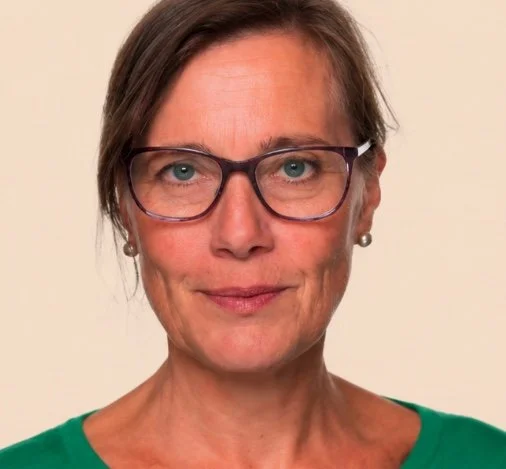
Mona Holm
Vice-Chairwoman / Norway
Kvinnemuseet / Women’s Museum of Norway /Kongsvinger, Norway
-
With over two decades of experience at the Women’s Museum of Norway and current research in transnational feminism, she brings both academic and practical perspectives. She is committed to strengthening the network through collaboration, continuity, and shared learning, and believes strongly in the power of exchange and mutual support.
@ Bård Løken/Anno Kvinnemuseet
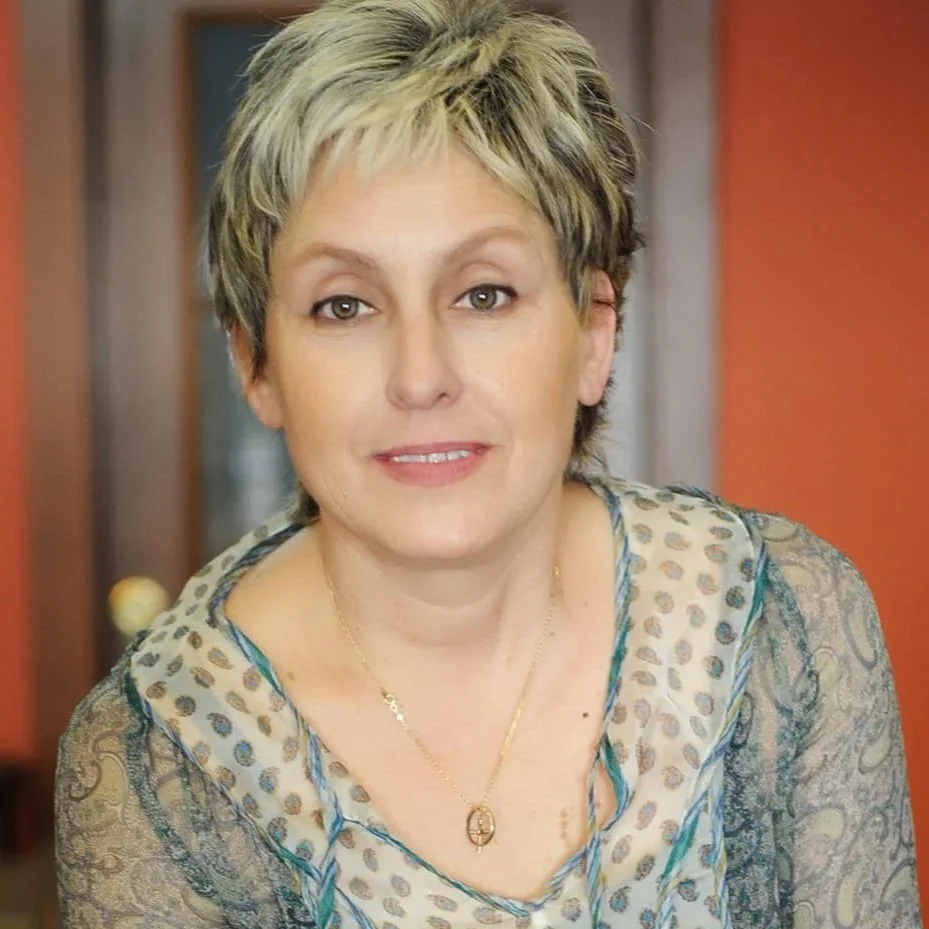
Elsa Ballauri
Board member / Albania
Muzeu i Gruas / Women’s Museum Albania /
Tirana, Albania
-
She is actively building connections between local initiatives and international networks, including regional collaborations in the Balkans. Through her engagement with IAWM, she seeks to contribute her experience in cultural work and support the development of a stronger, more connected global community.
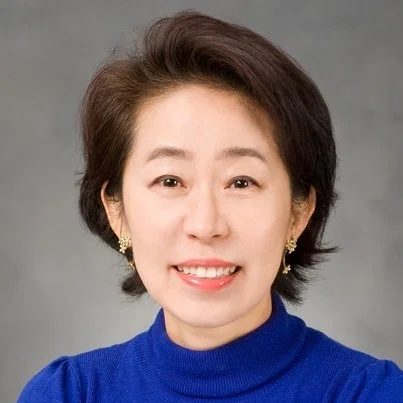
Kyehyeong Ki
Board member / South Korea
Gender Museum Korea /
Seoul, South Korea
-
She has long been involved in initiatives to establish a national women’s history museum in Korea and is committed to creating platforms for dialogue, education, and global solidarity. Through IAWM, she aims to connect local initiatives with international perspectives and contribute to shared solutions.
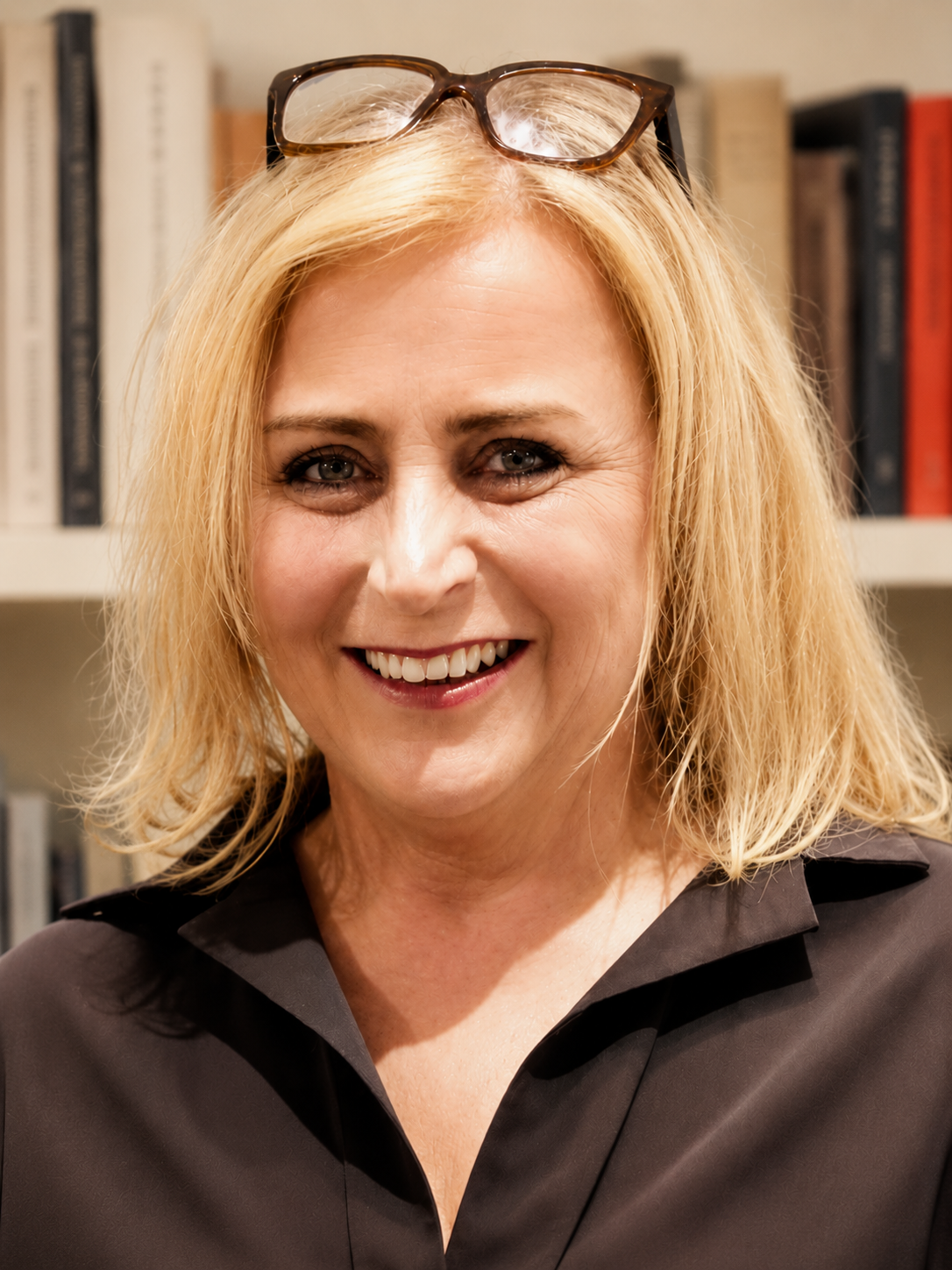
Stefania Pitscheider Soraperra
Board member / Austria
Frauenmuseum Hittisau / Austria’s Women’s Museum / Hittisau, Austria
-
Originally from Italy and a native speaker of Ladin, she brings a multilingual and transnational perspective to her work across institutional and independent cultural contexts. Her curatorial practice focuses on socially relevant topics such as care, ecology, and justice, approached through inclusive, intersectional, and participatory perspectives, with a strong emphasis on collaborative approaches to collecting and exhibiting marginalised histories. As a board member, she is committed to strengthening dialogue, collaboration, and solidarity within the network and advocating for the visibility of women’s cultural heritage on a global scale.
@ FMH 2026
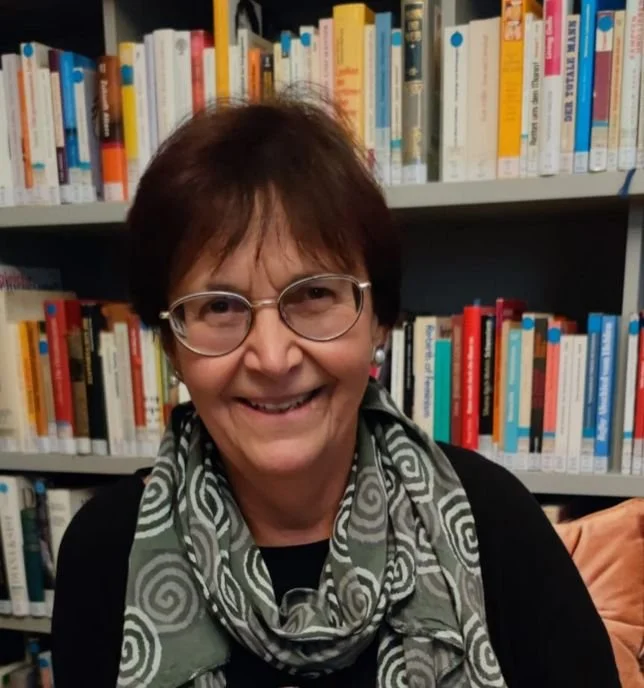
Sigrid Prader
Co-opted board member, Treasurer / Italy
Frauenmuseum Meran / Museo delle donne Merano / Women’s Museum Merano / Merano, Italy
-
As a co-opted board member of IAWM, she is responsible for finances. Her work emphasizes networking with cultural and women’s organizations, international cooperation, and EU projects. With decades of experience, she fosters gender equality through museums, education, and collaborative initiatives. Thanks to its many years of women-specific museum work, the Women’s Museum is firmly established and fully integrated into the panorama of local cultural institutions in the Autonomous Province of Bolzano/South Tyrol.
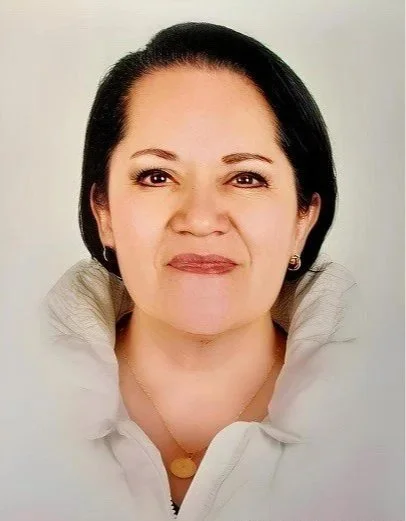
Gilda Bautista Ravelo
Co-opted board member / Mexico
Mexico City, Mexico
-
With over 30 years of professional experience, she has contributed to legal research, academic development, and public engagement in areas such as women's rights, gender equality, violence against women, digital justice, and cultural heritage. She has also taught classes and given lectures on intellectual property, legal technologies, and human rights. Her current research focuses on women's rights, viticulture, and the intersection of law, culture, and social justice. She´s a member of the Federation of University Women.
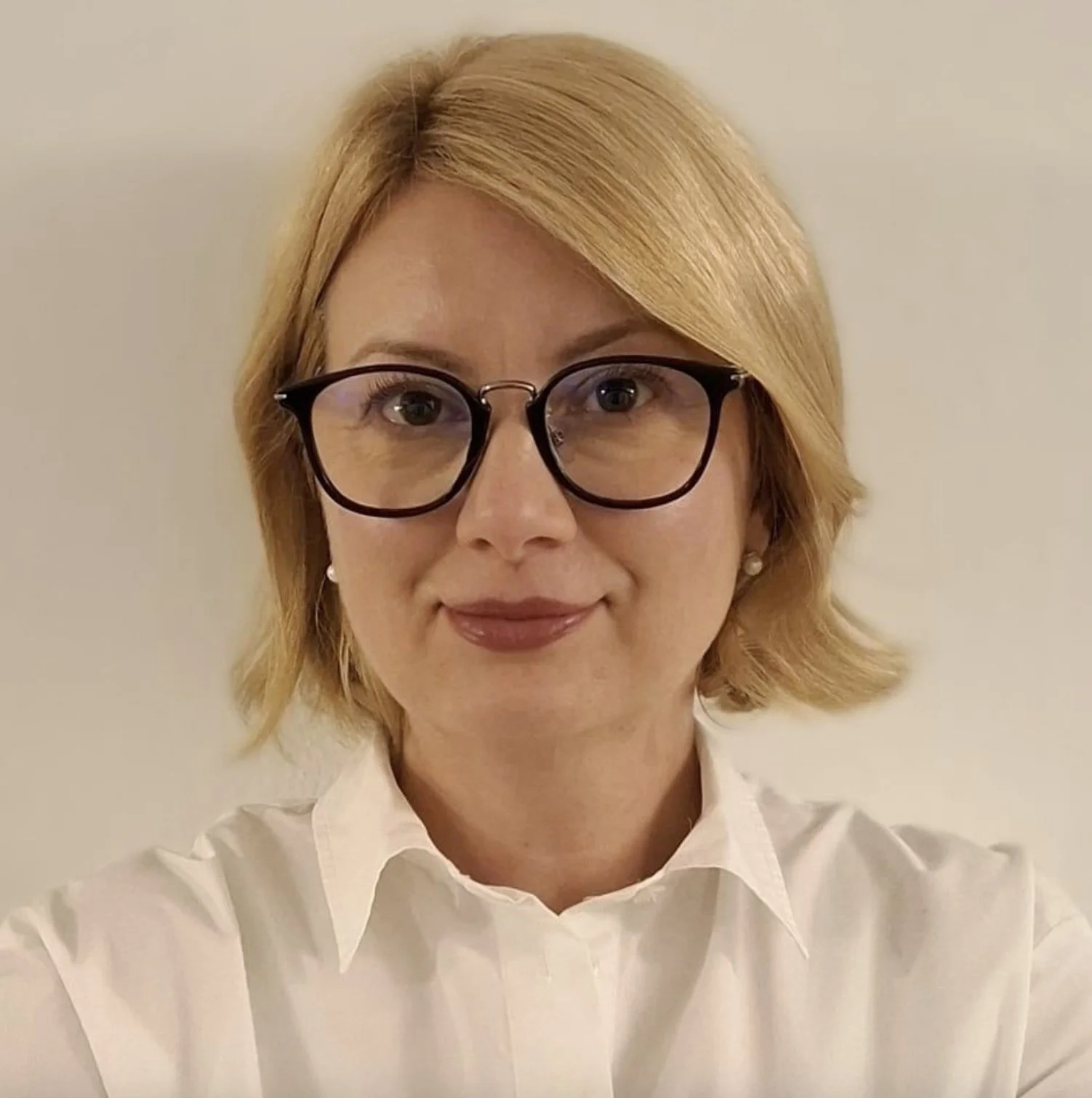
Tijana Jakovljević-Šević
Executive coordinator / Germany and Serbia
IAWM
-
Since 2017, she has been part of the team at the Museum Women’s Cultures Regional – International in Fürth, Germany. Her work focuses on ethnology, cultural heritage, and women’s cultural histories. Since 2024, she has been assisting the board of the International Association of Women’s Museums (IAWM).
With Sadness
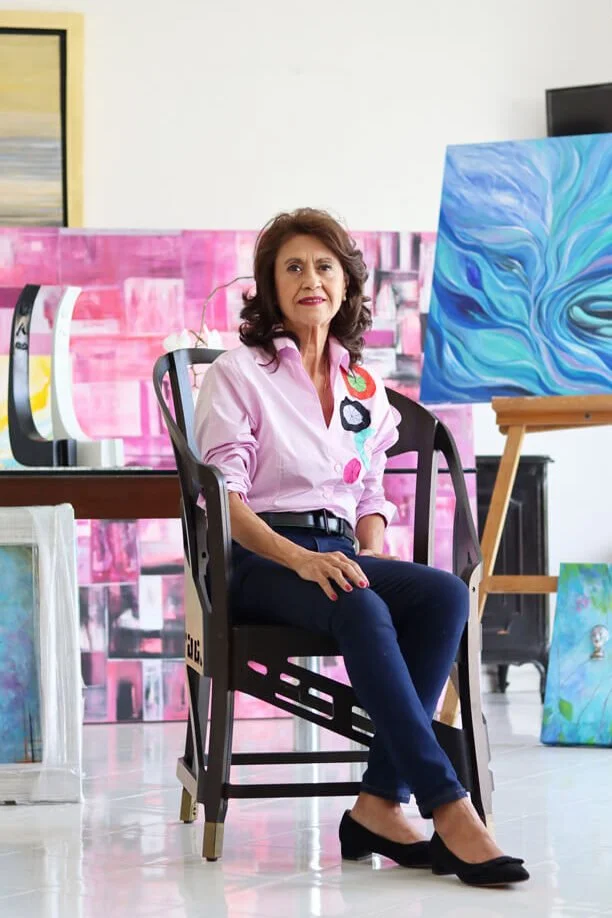
Dr. Martha Ortiz Sotres
† 2026
We are deeply saddened to share the news that our colleague, member of the IAWM Board from Mexico, has passed away.
Martha was a Mexican visual artist and a graduate of the National Autonomous University of Mexico (UNAM), with an established national and international career. Her work is part of the artistic heritage of institutions and museums across the Americas, Europe, and Asia, including the National Museum of China. She represented Mexico in biennials and cultural forums in countries such as China, Italy, Colombia, Argentina, South Korea, the United Kingdom, and Monaco, and created murals in several Latin American countries. Among her recognitions were the UNAM University Merit Award, First Place in the International “Sport and Olympism” Competition (London 2012), and the Italy Prize for Art in Florence. Additionally, one of her works was acquired by Prince Albert II of Monaco.
We are grateful for her engagement, her ideas, and the inspiration she brought to our network. She will be greatly missed. Our thoughts are with her family, friends, and colleagues during this difficult time.